
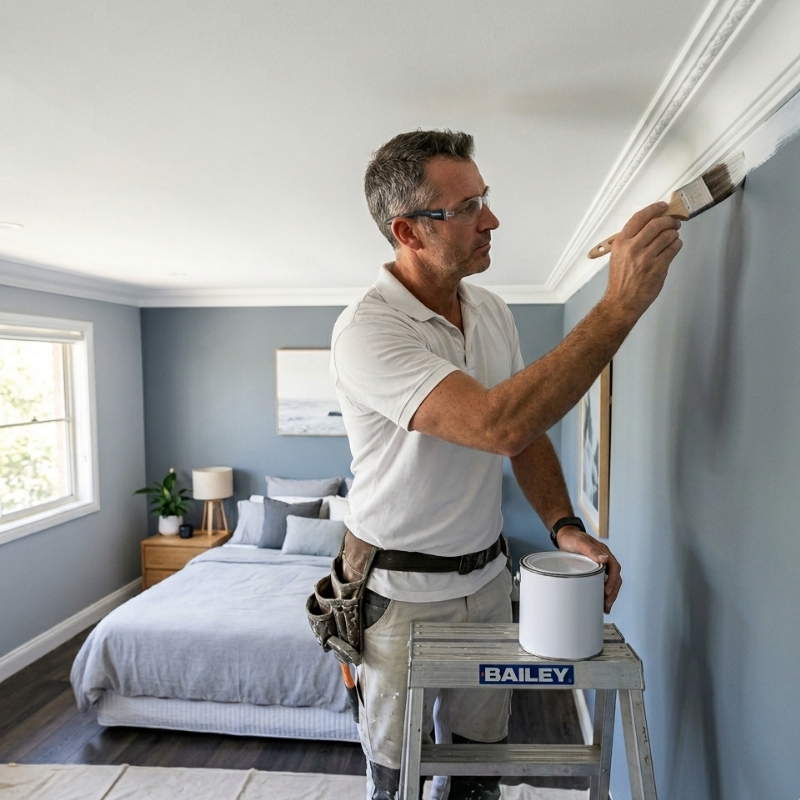
Painting one bedroom, a living space or even a home office sounds straightforward—until you start collecting quotes from a painter in Sydney and realise the numbers can vary wildly. Instead of fixating on a single figure, it helps to understand the moving parts: the square metres to cover, the time-intensive prep no one sees, the calibre of paint you choose and the skill behind the brush.
By the end of this guide you’ll know why one quote might be twice the price of another, which corners are safe to trim, and when calling a professional residential painting service makes financial sense in the long run.
1. Room Size: More Than Just Four Walls
It’s easy to assume that a larger room automatically costs more, but the way size is measured can shift the quote by hundreds of dollars.
How Pros Calculate Square Metres
Most Sydney painters measure the total surface area:
• Wall height × wall length (all four walls)
• Subtract large windows and doors
• Add ceilings if included
Hallways, wardrobes and alcoves often sneak in extra square metres, so clarify whether they’re itemised or bundled.
Ceiling Height Counts Too
Pre-war terraces in Newtown or Paddington can have 3.3 m ceilings. Painting at height means extra ladder time, drop-sheeting and safety considerations, which could lift labour hours by 10–15 %.
Quick Tip
Before chasing quotes, jot down each wall’s width and height. Supplying these numbers speeds up estimates and reduces the buffer painters add for “unknowns”.
2. Surface Preparation: The Unseen Cost Driver
Perfect colour can’t hide cracked plaster or greasy kitchen walls. Depending on the room’s history, prep can chew through as much as 50 % of the labour budget.
| Prep Task | When It’s Needed | Time Impact | Material Cost Impact |
| Sugar-soaping and degreasing | Kitchens, high-touch areas | Low | Low |
| Filling small nail holes & light sand | Kids’ bedrooms, rented rooms with picture hooks | Moderate | Low |
| Patching cracks or damaged plaster | Older homes, movement-prone areas near windows & doors | High | Moderate |
| Full skim coat | Heavily textured or uneven walls (e.g. popcorn ceilings) | Very high | High |
Even minor patching compounds across four walls, adding hours no DIY time-saver video mentions.
Local Insight
Sydney’s coastal humidity can leave faint mould spores on south-facing walls. A quick sugar-soap won’t cut it—mould-blocking primer is essential or discolouration will bleed through the new coat within months.
3. Paint Quality & Finish: Dollars per Litre vs Years of Wear
A cheap 10-litre drum seems like a bargain until you need an extra coat, or the sheen fades after two summers of glare bouncing off Bondi’s white-sand reflection.
Understanding the Tiers
• Entry-level interior acrylics: suited to low-traffic guest rooms; lowest up-front cost.
• Mid-tier wash-and-wear: better scuff resistance for family living rooms and hallways.
• Premium low-VOC or specialty finishes: ideal for nurseries, allergy concerns or feature walls demanding deeper pigments.
Expect a 20–40 % price jump between each tier. That sounds steep, yet premium paint often covers in fewer coats and lasts years longer, shaving application and repaint costs down the line.
Industry snapshot: Many Sydney homeowners now look for low-VOC options to reduce indoor fumes. Quality brands meet Australian standards, and some even exceed the limits set by NSW Fair Trading for painter compliance and product safety.
Finish Matters
• Flat/matte absorbs light—great for hiding minor surface dings, though less washable.
• Low-sheen is the Sydney staple: easy to clean, subtle glow.
• Semi-gloss/full gloss on trims adds durability but exaggerates surface flaws; sanding must be flawless.
4. Labour Rates: Skill, Speed and Sydney Overheads
Average labour figures hover between $45 and $70 per hour for licensed painters in Greater Sydney, yet the final bill swings on the complexity of the job.
Factors That Nudge Labour Up or Down
- Accessibility – Terraces on tight streets like Balmain need creative parking and paint-rig setups, adding time.
- Furniture Removal – Occupied apartments require careful masking, whereas empty rooms let painters move freely.
- Scheduling – Weekend or rapid-turnaround jobs invite premium rates.
- Insurance & Licensing – Fully insured, licensed teams cost more but protect you from liability.
5. Cost Scenarios: Putting It All Together
Below is a realistic, big-picture summary. Prices are indicative and exclude GST, but they’ll orient you when comparing quotes.
| Sydney Room Type (Approx. Size) | Typical Prep Level | Paint Tier Chosen | Estimated Labour Hours |
| Small Bedroom (3 × 3 m) | Minor patch & sand | Mid-tier low-sheen | 8–10 hrs |
| Medium Living Room (4 × 4.5 m) | Moderate prep | Premium low-VOC | 14–16 hrs |
| High-Ceiling Terrace (3.5 m) | Patch + extensive sanding | Premium + feature wall | 18–20 hrs |
*Ranges based on recent Sydney metro projects; your quote may differ due to access, paint brand, or special finishes.
6. DIY vs Professional: False Savings to Watch
Feeling handy? Tally the hidden costs before you commit.
| Consideration | DIY Reality Check | Professional Advantage |
| Tools & equipment | Already included in the quote | Already included in quote |
| Time investment | One weekend often turns into three | Experienced crew finishes quicker |
| Finish quality | Brush marks, missed corners, thin coverage | Warranty-backed workmanship |
| Safety | Ladder work and fume inhalation risks | Licensed, insured and trained |
A single tin spill on carpet can wipe out any DIY savings—something to keep in mind while balancing the budget.
7. Common Mistakes That Blow Out Budgets
- Under-estimating room prep – Skipping primer on water-stained ceilings means repainting within months.
- Choosing bargain paint – Needing a third coat eats labour and materials.
- Over-optimistic timing – Painting at night under dim light leads to patchy coverage revealed by next-day sunlight.
- Ignoring ventilation – Fumes linger longer in winter; delays re-occupying bedrooms.
- Hiring on price alone – The cheapest quote may exclude essential prep or carry no workmanship guarantee.
8. Beyond the Numbers: Value Adds That Impact Long-Term Cost
Paint choice isn’t just colour—it frames mood and resale value. If you’re struggling to visualise, check out how wall colour affects ambience for design cues that may influence where to spend or save in your repaint budget.
9. Decision-Making Framework: Where to Spend vs Save
- Spend on high-wear areas (hallways, kids’ rooms) with durable, washable paint.
- Save on accent walls by using premium leftovers from main walls rather than an entirely new colour.
- Spend on prep for older walls—a flawless base extends paint life.
- Save by scheduling during off-peak months (autumn and early winter) when painters have more diary space and may sharpen rates.
FAQs
1. Is it cheaper to supply my own paint?
Sometimes. Paint retailers run promotions that undercut trade rates, but double-check compatibility with the painter’s preferred systems. A mismatch can void workmanship or manufacturer warranties.
2. How long should I wait between coats?
Most acrylics need at least two hours touch-dry, but colder Sydney winters extend curing times. Rushing risks roller pull and uneven sheen.
3. Can one coat ever be enough?
Only if the new colour closely matches the existing surface and premium self-priming paint is used. Even then, high-traffic rooms benefit from two coats for durability.
4. Do I need to move all my furniture out?
Not always, but clearing at least 50 % of the floor space lets painters work efficiently and may shave an hour or two off labour.
5. How do I compare quotes fairly?
Confirm each quote lists: room dimensions, number of coats, brand and line of paint, specific prep tasks, and inclusion of ceiling, trims or doors. Apples-to-apples detail prevents surprise variations later.
Wrapping Up
Understanding the real cost of painting a room in Sydney starts with four pillars: square metres, surface readiness, product quality and labour expertise. Weighing each factor helps you decide where spending a little more now saves a repaint sooner. When the prep workload or ceiling height feels daunting, having professionals handle the job can turn a stressful weekend into a fresh, durable finish you’ll enjoy for years.