
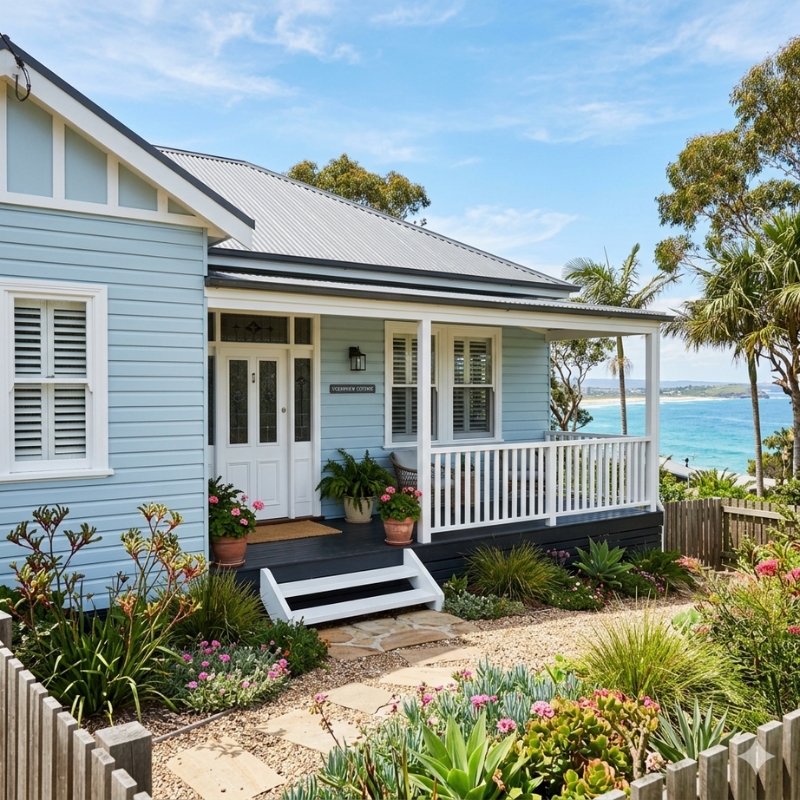
Nothing beats waking up to an ocean breeze, but that fresh, salty air quietly shortens the life of your exterior paintwork. Microscopic salt crystals cling to walls, draw in moisture, and accelerate the breakdown of protective coatings. If ignored, you will start to see chalky residue, flaking, rust stains around nails, and colour fade long before the paint’s advertised lifespan. Calling in experienced house painters in Sydney too late often means more surface prep, higher labour hours and, in severe cases, minor timber or render repairs. The good news? A handful of straightforward maintenance habits and smarter paint choices can dramatically slow the damage. Below, we unpack why salt air is so aggressive, how to spot early warning signs and five proven strategies for defending your home’s exterior.
Why Salt-Laden Air Is Tough on Exterior Paint
Sydney’s sea winds carry sodium chloride particles well beyond the sand dunes. Once these salt particles settle on paint, three key things happen:
- Hygroscopic action
Salt is hygroscopic, meaning it attracts and holds water. A moist film forms on the paint surface, softening binders and encouraging micro-organisms such as mould and algae. - Crystal expansion
When saltwater droplets evaporate, tiny salt crystals remain. They expand and contract with temperature shifts, opening microscopic cracks that let more moisture creep underneath the coating. - Corrosion of metal fixings
Nails, screws or metal railings embedded in or near painted surfaces corrode faster in salty conditions. Rust stains then migrate through the paint film, weakening adhesion.
Research referenced in the Australian Government’s YourHome paint and finishes guide shows that coastal facades can lose up to 30 per cent of their protective performance compared with inland equivalents when maintenance is neglected. Add Sydney’s warm, humid summers and sudden southerly changes, and you have the perfect cocktail for premature peeling and fading.
Early Signs Your Paint Is Suffering Salt Damage
Catching minor salt-related issues early almost always costs less than waiting for full-blown flaking. Use the table below as a quick reference during your next weekend inspection.
| Situation | What It May Mean | Suggested Next Step |
| Fine, white powder on darker paint | Efflorescence – salt deposits sitting on the surface | Wash down with fresh water and mild detergent |
| Blistering or bubbling patches | Moisture trapped under the paint film, often driven by salt | Spot-sand, prime and repaint affected area |
| Rust streaks around nails or brackets | Salt-accelerated corrosion of metal fixings | Replace or treat rusted metal, then repaint |
| Colour fading on sun-and-salt-exposed sides | UV degradation combined with abrasive salt crystals | Consider a UV-stable topcoat during next repaint |
| Flaking along horizontal weatherboard edges | Salt builds up on ledges where water evaporates | Strip loose paint, prime with marine-grade system |
Even if the damage appears cosmetic, check whether the timber, render or metal beneath feels damp or crumbly. Persistent underlying moisture suggests a more serious breach that needs professional assessment.
Five Practical Ways to Shield Your Home’s Paintwork
Below are the most effective, budget-friendly tactics used by coastal painters from Bondi to Cronulla. Adopting all five gives your coating system the best chance of lasting its full expected lifespan.
1. Choose Marine-Grade Paint Systems
Standard exterior acrylics cope reasonably well inland, but near the coast you will want paints labelled “marine”, “coastal” or “high salt resistance”. These products contain:
• Higher-grade resins that resist chalking and chemical attack
• Anti-corrosive pigments to protect metal elements
• Flexible binders that move with timber expansion
Ask your supplier for the system’s salt-spray test data (often measured in hours of exposure without coating failure). A higher number usually indicates stronger resistance.
2. Wash Down Surfaces Regularly
A gentle, freshwater rinse every three to six months removes salt crystals before they can do harm.
Practical tips:
• Use a garden hose with a soft spray attachment rather than a high-pressure washer that can drive water under laps.
• Start at the top and work down so dirty streaks don’t dry onto lower surfaces.
• Allow timber weatherboards to dry fully before nightfall to prevent damp absorption.
3. Prioritise Surface Preparation and Primers
Salt particles lodged in previous paint layers are a leading cause of early failure on repaints. Thorough prep is non-negotiable:
• Scrape and sand flaking or chalky areas until sound.
• Rinse, allow to dry, then wipe with a clean, damp cloth to remove residue that sanding can’t reach.
• Apply a high-build, anti-corrosive primer designed for salty environments.
Skipping the primer or using the wrong one is among the top pitfalls outlined in our related post on how light and weather affect colour choices – worth revisiting before planning your palette.
4. Use Protective Clear Coats on High-Exposure Facades
North-east-facing walls in suburbs like Coogee, Maroubra or Collaroy take the brunt of ocean winds. After the colour coat, a clear polyurethane or acrylic sealer adds:
• Extra UV blockers
• A sacrificial layer that chalks first, preserving the colour coat beneath
• Easier future cleaning because dirt and salt can’t grip as firmly
Check that the clear coat is compatible with your chosen paint system to avoid adhesion issues.
5. Plan a Shorter Repaint Cycle
Even with the best defence, coastal homes will rarely reach the “up to 15 years” marketed on a standard tin. A realistic schedule in Sydney’s salt belt is 6–8 years for timber weatherboards and 8–10 years for rendered masonry. By budgeting for a slightly earlier refresh, you prevent deep substrate damage that costs far more to repair.
Common Mistakes to Avoid When Painting Near the Coast
- Pressure-washing at close range
Stripping paint with a turbo nozzle drives water behind boards and through hairline cracks. - Painting during onshore winds
Salt spray lands on wet paint, embedding crystals that weaken the film from day one. Wait for still, dry conditions or offshore breezes. - Neglecting metal fixtures
Door hardware, balustrades and gutter screws corrode first. If they rust through the coating, runs and stains soon follow. Always prime metal separately with a dedicated rust-inhibitive product. - Choosing interior-grade fillers outside
Indoor gap sealants shrink and crack under UV and salt exposure, opening the door for moisture. Use exterior-rated putties and flexible sealants instead. - Relying solely on manufacturer’s warranty
Paint warranties assume correct preparation and application. Missing one primer coat or skipping the wash-down voids coverage faster than you may expect.
Questions to Help You Plan a Coastal Repaint
• Has the façade been washed down in the last six months?
• Are there signs of rust around nails, brackets or vent covers?
• Do north-east-facing walls show faster fading than shaded sides?
• Is the current paint system rated for marine environments?
• Are you prepared to schedule routine wash-downs after the repaint?
Running through these checkpoints with your painter sets realistic expectations and helps you choose products and maintenance plans tailored to your home’s exposure level. Homeowners concerned about coastal effects may also find insights in how salt air and sun affect cladding and render valuable information.
FAQs
1. How far inland does salt air affect paintwork in Sydney?
Salt particles can travel several kilometres inland, particularly along valleys where sea breezes funnel. If you can occasionally smell the ocean from your property, it is safe to assume some salt deposition occurs.
2. Can I just apply an extra colour coat instead of a primer?
A thicker colour coat is not a substitute for an anti-corrosive primer. The primer chemically bonds to both the substrate and the topcoat, creating a moisture barrier that standard paint cannot match on its own.
3. Is washing with plain water enough to remove salt?
Yes, in most cases. Fresh, clean tap water dissolves and carries away salt crystals. For heavy build-ups, add a mild, pH-neutral detergent and rinse thoroughly.
4. Do darker colours show salt damage faster?
Dark paints make white salt deposits more visible but are not necessarily more vulnerable. However, they can absorb more heat, which worsens expansion and contraction cycles. Regular washes mitigate both issues.
5. How soon after repainting can I wash the walls?
Allow the full paint system to cure—typically a minimum of two weeks for acrylics in mild weather. Check the manufacturer’s data sheet, and always use gentle water pressure during the first wash.
Final Thoughts
Living close to Sydney’s sparkling coastline should not mean settling for tired, chalky paintwork. By choosing marine-grade products, locking in routine wash-downs and respecting shorter repaint intervals, you will enjoy vibrant kerb appeal despite the sea-spray challenge. If you are unsure whether that blistering patch is just cosmetic or a deeper moisture issue, a professional inspection before the next southerly change can save you a costly remedial job down the track. Fresh salt air and fresh paint can go hand in hand—so long as you give your façade the added protection it deserves.