
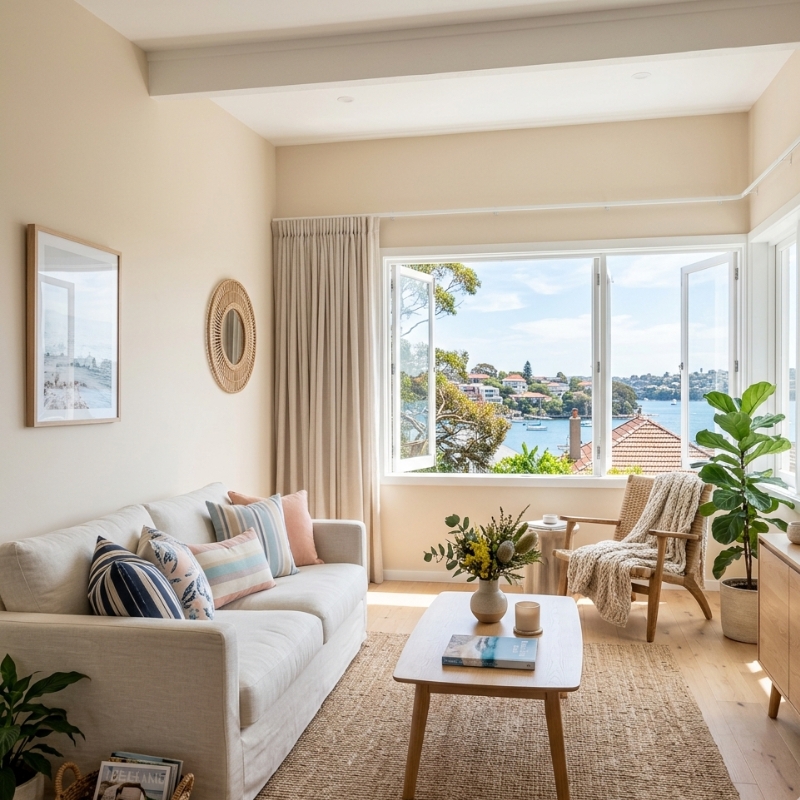
A fresh coat of paint can do wonders for a living room, a kid’s bedroom or an entire home. Yet for many Sydneysiders, the smell that lingers after painting is more than a mild annoyance—it is a sign that volatile organic compounds (VOCs) are evaporating into the indoor air. These chemicals contribute to that “new paint” odour and may irritate eyes, throats or sensitive respiratory systems. Over the past decade, paint manufacturers have released low-VOC and even zero-VOC lines that promise similar coverage with fewer fumes, sparking plenty of debate about whether they truly match the performance of traditional options.
If you are weighing up colour swatches and wondering which product belongs on your walls, the guide below breaks down the science, the health implications, the climate factors unique to Greater Sydney and some common mistakes DIY painters make. And, if you decide that professional help would simplify the prep, the cut-ins and the cleanup, an experienced residential painting specialist can recommend a product that suits your substrate, timeline and ventilation conditions.
What Exactly Are VOCs and Why Do They End Up in Paint?
Paint is made up of pigments (for colour), binders (for adhesion and durability), solvents (to keep everything liquid) and various additives. In traditional water-based acrylics and oil-based enamels, the solvents often contain VOCs such as toluene, xylene and formaldehyde derivatives. These chemicals help the paint level out smoothly and dry at predictable rates. As the paint cures, the solvents evaporate, releasing VOCs into the air.
Why should homeowners care?
• Short-term exposure can cause headaches, dizziness or throat irritation, particularly in rooms with poor airflow.
• Sensitive groups—children, asthmatics, the elderly—may notice symptoms at lower concentrations.
• VOCs contribute to indoor air pollution and can form ground-level ozone outdoors, adding to Sydney’s smog on hot, still days.
Low-VOC paints replace many of these solvents with water or less harmful alternatives, lowering the grams of VOCs per litre. In Australia, a product can carry a “low-VOC” label if it meets the relevant Australian Paint Approval Scheme (APAS) cut-off for its category. “Zero-VOC” options drop the figure even further, though trace amounts may still be present in certain pigments or tinting pastes.
Low-VOC, Zero-VOC and Traditional Paint: How Do They Differ?
Sydney homeowners often ask whether low-VOC versions really perform the same way. The table below summarises the main differences.
| Type of Paint | Typical VOC Content (g/L) | Odour Level While Drying | Coverage & Durability | Best-Fit Scenarios |
| Traditional water-based acrylic | 50–100+ | Noticeable “new paint” smell | Proven track record; wide colour range | Exterior walls, high-traffic interiors needing robust finish |
| Low-VOC acrylic | 5–49 (varies by brand) | Mild, dissipates quickly | Comparable finish; some brands need an extra coat on deep colours | Bedrooms, nurseries, quick-turnaround rentals |
| Zero-VOC acrylic | <5 (trace amounts) | Very low to no odour | Slightly longer cure time; deep tints may raise VOCs | Occupied homes where ventilation is limited |
| Oil-based enamel | 250–500+ | Strong solvent smell; longer off-gassing | Superior hardness; blocks tannin bleed | Trim, doors and surfaces needing glossy, glass-like finish |
Key Takeaways from the Table
• For most interior walls, low-VOC acrylics offer the best balance of coverage, odour reduction and colour selection.
• Zero-VOC options are ideal when someone will be sleeping in the room soon after painting, but expect to wait a bit longer before washing the surface.
• Traditional oil-based enamels still rule on handrails and skirting that cop daily knocks, but they create the heaviest fumes—mask and ventilate well if you stick with them.
Health and Comfort Considerations in a Typical Sydney Home
Sydney’s temperate climate means you can often open windows to accelerate drying, but humidity spikes (think steamy January afternoons) slow the process, letting VOCs linger. Prolonged inhalation is where health concerns intensify. The Australian Department of Health’s indoor air quality guidance lists VOCs as a common contributor to poor household air, recommending low-emission products whenever possible.
Practical ways to keep occupants comfortable:
- Paint in spring or early autumn when cross-breezes are common and humidity is moderate.
- Run exhaust fans or portable ventilators overnight during humid spells.
- Seal paint tins promptly; off-gassing continues if the tin is left open between coats.
- Avoid deeply tinted colours in kids’ rooms unless the brand confirms those pigments stay low-VOC after tinting.
Performance and Durability: Does Low-VOC Compromise Quality?
Early low-VOC blends earned a reputation for streaking or requiring extra coats. Technology has improved noticeably, and most major brands now match their flagship low-VOC line with the same warranty period offered on standard acrylics. Nevertheless, three variables still affect the final result:
- Substrate condition: Porous or chalky walls may absorb the first coat more readily, so a dedicated primer remains essential.
- Colour depth: Rich reds, navies and blacks need higher pigment loads, sometimes pushing VOCs up or needing an extra pass.
- Curing environment: A cool, damp winter day in the Blue Mountains outskirts differs from a warm Bondi afternoon. Plan your recoating interval around the weather app, not just the tin’s fine print.
For trims and doors, water-borne enamels (a hybrid formula) give you much of the old-school oil-based durability with a VOC profile closer to acrylic wall paint. If you have older skirting boards flaking with oil enamel, be prepared for a light sand and prime to maximise adhesion.
Environmental and Regulatory Factors in NSW
While Australia has no nationwide VOC cap like California’s stringent rules, several local councils encourage low-emission building materials in their sustainability guidelines. The NSW Government’s BASIX scheme does not mandate VOC levels, but green-star-rated projects often specify low-VOC paints to earn points under the Indoor Environment Quality category. Choosing these products today can future-proof a renovation if you later decide to lodge for council sustainability certification.
Naturally, fewer VOCs escaping your freshly painted bedroom also means fewer VOCs adding to Sydney Basin’s summer haze—small choices add up across the city.
Cost and Practicality: Beyond the Price Tag
Paint aisle price tags rarely tell the whole story. Besides the litre cost, factor in:
• Coverage efficiency: A cheaper low-VOC tin may need three coats to reach full opacity on a dark wall.
• Consumables: Higher solids content can clog low-grade rollers; invest in the right nap thickness.
• Labour hours: If you are paying a contractor, additional coats or slower curing can lift the total bill.
• Odour downtime: DIYers sleeping in the room that night often prefer low-VOC regardless of per-litre cost—comfort has its own value.
Common Mistakes to Avoid When Switching to Low-VOC Products
- Skipping primer on previously oil-based surfaces—adhesion will suffer.
- Assuming “low-VOC” equals “no smell” at all—there is still a faint odour, especially on humid days.
- Tinting at the hardware store without checking whether the pigment paste bumps VOCs above the low threshold.
- Painting in direct summer sun—the surface temperature can flash-dry the water too fast, leading to lap marks.
- Forgetting about ventilation once the last coat feels dry—off-gassing continues for up to 48 hours.
For deeper insights into airflow safety, see the risks of poor ventilation while painting and how simple fan placement can make a big difference.
A Quick Decision Checklist for Sydney Homeowners
Use the matrix below to match your situation to the best paint type.
| Scenario | Best Paint Choice | Why It Works | Watch Outs |
| Baby on the way, furniture already in the room | Zero-VOC acrylic | Near-odourless, quick return to nursery | Longer time before washing walls |
| Rental between tenants, 3-day turnaround | Low-VOC acrylic | Faster cure than zero-VOC, mild smell | Confirm coverage of previous bold colours |
| Heritage timber windows needing gloss | Oil-based enamel or hybrid water-borne enamel | Hard, chip-resistant finish | Heavy fumes—mask up and leave sash open |
| DIY weekend project in winter | Low-VOC acrylic with heater-assisted drying | Lower odour, safe in moderate ventilation | Extend recoating window if temp stays <15 °C |
How to Use the Checklist
Tick the row that best matches your home, then cross-reference the “Watch Outs” column while planning equipment and drying time. Remember, prep quality and weather often trump product choice in the final result.
FAQs
1. Are low-VOC paints completely free of harmful chemicals?
No paint is 100 per cent free of all chemicals. Low-VOC formulas drastically reduce the solvents most associated with odour and irritation but may still contain trace amounts, especially once tinted. Always read the Safety Data Sheet for details.
2. Do low-VOC paints cost more than traditional options?
Shelf prices can be slightly higher, but better coverage and less need for odour-control products (like temporary air purifiers) may balance the budget. Long-term air-quality benefits also carry intangible value.
3. Can I mix leftover traditional paint with a low-VOC tin?
Mixing is not recommended. The VOC levels will average out, and differing resin systems can lead to adhesion or sheen inconsistencies.
4. How long should I wait before sleeping in a freshly painted bedroom?
With low-VOC acrylics, most people find 24 hours with open windows is adequate. For traditional paints, especially oil-based, consider 48 hours and use fans to clear residual fumes.
5. Will using low-VOC paint help me achieve a Green Star or BASIX credit?
Low-VOC coatings contribute positively to indoor environment quality scores on many green-building ratings, but each system has its own criteria. Provide the product data sheet to your certifier for confirmation.
Final Thoughts
Low-VOC technology has matured to the point where most Sydney households can enjoy a near-odourless paint job without sacrificing colour richness or washability. By matching the product to your ventilation constraints, substrate and timeline, you keep your indoor air cleaner and reduce the city’s overall VOC load. If you are still unsure which tin belongs in your trolley, a quick chat with a licensed painter can clarify whether an extra coat, a hybrid enamel or a specialty primer will give your walls the longest-lasting finish.